People usually come in asking for “a little more,” then point to five different photos with five different mouths. That is the heart of lip augmentation: translating a vibe into milliliters, choosing the right material, and shaping with restraint. The best lip filler is not a brand, it is a match between your anatomy, your goals, and a provider who understands both. If you want natural lip filler that quietly restores hydration, you will not use the same product or technique as someone aiming for crisp borders and dramatic projection. The choices matter, and so do the trade‑offs.
What lip fillers actually do
Most modern lip filler injections use hyaluronic acid, a sugar molecule your body already makes that binds water. A hyaluronic acid lip filler acts like a hydrated gel. Different gels hold their shape differently depending on how tightly the HA chains are cross‑linked, how springy they are, and how easily they spread through tissue. That is why one product can feel soft and buttery while another feels structured and firm. The gel’s behavior, more than the brand name, drives the result.

Dermal lip fillers add volume, define borders, correct asymmetry, and smooth vertical lines. They can also improve texture by drawing in water, which is why dehydrated lips look instantly better after a hydrating lip filler even without obvious size change. Most cosmetic lip filler in the lips is temporary lip filler. Your body gradually breaks it down, so longevity is measured in months, not years.
The main families of hyaluronic acid lip filler
Manufacturers use different technologies to tune how a filler behaves. Without turning this into a textbook, here’s how the big ideas translate to results.
Cohesive, firmer gels tend to hold shape, resist compression, and work well for lip shaping filler that defines the Cupid’s bow or builds vertical projection. They often have greater “lift,” which can be useful in the upper lip where soft tissue wants to fold when you smile.
Softer, more fluid gels spread easily, feel very natural, and excel as smooth lip filler for global hydration and subtle lip filler results. They blur texture and fine lines, but they are not ideal if you want sharp borders or sharp pillars.
Hybrid or mid‑range gels can do a bit of both. They are often my pick for first time lip filler because they allow gentle augmentation with room for adjustment, and they tend to integrate nicely across a range of skin types.
These characteristics come from the filler’s elasticity, cohesivity, and particle size, not just cross‑linking. The same brand often has a portfolio with different textures. During a lip filler consultation, I like to palpate the product in the syringe and show you how it stretches, because your fingers will understand what your brain cannot memorize.
Matching filler to your goals
You can get to the best lip filler by starting with your goal and working backward to texture and technique.
If you want subtle hydration and glow, think of a low to mid firmness hydrating lip filler placed superficially. The point is not volume, it is moisture and smoothness. This suits people with naturally balanced lips that look dry or crinkled. Often 0.3 to 0.6 mL does the job, spread across both lips, with minimal lip filler swelling and downtime.
For soft volume with gentle shape change, a mid‑range volume lip filler adds cushion without obvious edges. It is the sweet spot for a classic lip filler approach that keeps the ratio between upper and lower lip. Plan for 0.6 to 1.0 mL, possibly in two passes, to avoid overshooting.
If you want crisp contour and better definition, a slightly firmer lip contouring filler works along the vermillion border and in targeted columns to lift the Cupid’s bow without duckiness. This is often combined with a softer gel within the body of the lip to keep the feel natural.
For structural asymmetry, like one side rolling in more than the other, you need a gel with decent lift and a lip shaping filler technique that supports the weaker side. Precision beats volume here. Sometimes 0.2 mL in the right place makes more difference than 0.8 mL sprayed everywhere.
When someone asks for the “Russian lip” look, what they really want is vertical height, a flatter side profile, and a sharply defined border. That is a technique conversation, not just a product pick. Russian lip filler methods rely on vertical micro‑columns and meticulous control of depth. A firmer, cohesive gel helps hold the columns, but you still must respect anatomy to avoid migration.
And if you want “full” and plump lip filler with obvious volume, especially on thicker skin that can camouflage small changes, a more structured gel in the middle third of the lip delivers projection. Expect swelling, and accept that you may need two sessions a month apart to build safely.
How skin type and lip anatomy change the plan
Skin and mucosa are not the same in every face. The right lip filler treatment depends on how thick your lip tissue is, how much water your skin holds, and how your muscles move.
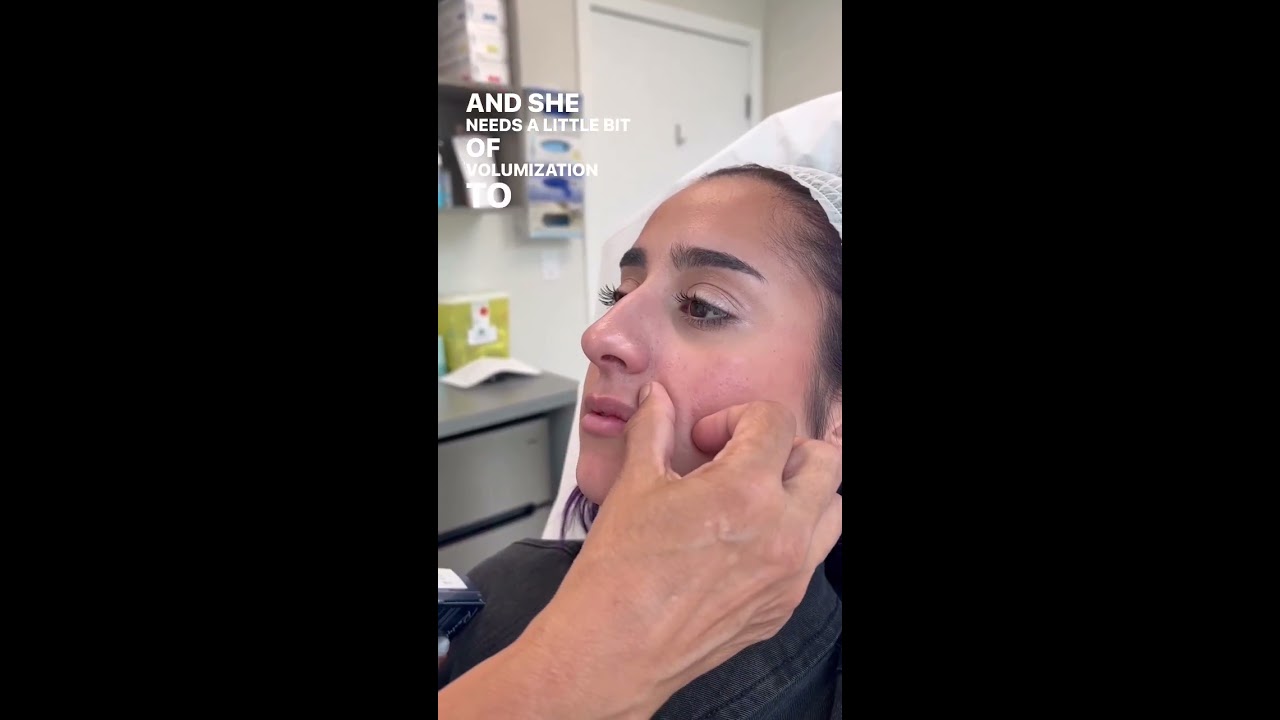
Thin lips with low tissue support cannot hide large boluses. Start with a softer gel and layer gradually. A firmer gel may show through as beads or create stiffness when you smile. If you have small lips and tight perioral skin, hydration first, structure second.
Full lips with denser tissue can carry slightly firmer gels without feeling stiff. In these cases, a balanced approach adds height and projection while preserving softness. Heavier gels may last longer because there is more structure to support them.
Highly animated mouths break down filler faster and show more lip filler swelling. If you purse or smile widely, expect shorter lip filler longevity, often closer to six months. In these patients, we often prioritize cohesive gels that resist deformation, then plan maintenance more frequently.
Dry skin and smokers’ lines benefit from hydrating lip filler placed very superficially. Even 0.2 to 0.4 mL can soften barcode lines, especially around the philtrum and lateral upper lip. Lip balm cannot fix dermal dehydration, but HA can.
Higher Fitzpatrick types tolerate filler well, though bruising can still happen. The main consideration is avoiding visible surface irregularities in very thin skin where light reflects sharply. Gentle, layered placement and post‑care minimize this.
Technique, not just syringe choice
I have seen identical syringes produce completely different lip filler results depending on how they are used. The lip filler process is more choreography than recipe.
The classic technique stays in the vermillion and body of the lip, often using small threads along the border and micro‑aliquots in the middle third. It preserves the natural arc and keeps the lower lip a bit fuller than the upper, which suits most faces.
Russian‑style vertical micro‑columns place dots or short threads from the wet‑dry border upward to lift the top lip. When performed carefully it can create height without massive projection. It must be customized, and it is not ideal on very thin or highly mobile lips where migration risk is higher.
For asymmetry, I map in a mirror, mark the high and low points, then undercorrect the fuller side. The goal is balance in motion, not just at rest. We always have you talk and smile mid‑session to see how the lip moves.
For barcode lines, superficial micro‑droplets of a very soft gel can smooth texture without bulk. Too deep and you add weight. Too much and the lip looks puffy.
Cannula versus needle is another choice. Cannulas bruise less and can spread gel smoothly across a plane. Needles offer pinpoint control for border work and Cupid’s bow. I often mix both, using a cannula for body and a needle for edges.
Safety first, without fear‑mongering
Hyaluronic acid fillers are generally safe, particularly because they are reversible with hyaluronidase. That said, lip filler risks exist. Bruising, swelling, tenderness, and small lumps can happen. Most settle within a week or two. Cold sores can reactivate if you have HSV‑1; prophylaxis helps if you are prone.
The rare but serious complication is vascular occlusion, where filler blocks blood flow. This risk is higher with aggressive boluses, intravascular injection, and poor anatomic awareness. A qualified lip filler specialist has protocols and hyaluronidase on hand, knows what blanching looks like, and responds fast. If you feel intense pain, blanching, or dusky color, you call or return immediately. Good clinics welcome that call.
Allergies to HA itself are extremely rare. Most adverse reactions are from technique, vascular issues, or biofilm infections when sterility slips. Ask your lip filler provider about sterile technique, product traceability, and follow‑up.
What to expect from the lip filler procedure
Most clinics schedule 45 to 60 minutes for a lip filler appointment. The lip filler process begins with photography, consent, and a quick medical review. Numbing options vary: topical anesthetic is typical, dental blocks for sensitive patients, and some fillers contain lidocaine. If you want painless lip filler, communicate that. You can get close, though you will still feel pressure.
During treatment, I place small amounts, then reassess in a mirror. Expect pressure, a pinch, sometimes a squeak as the gel threads in tissue. We stop bleeding points quickly with pressure. Swelling starts within minutes. A first pass typically uses 0.5 to 1.0 mL. I rarely place more than 1.2 mL in a single session unless you already have substantial lip tissue.
After photos are taken, we plan maintenance. A realistic lip filler session sequence for beginners is an initial build, a touch up at four to eight weeks, then maintenance every six to twelve months, depending on how your body metabolizes filler.
Recovery, aftercare, and downtime
You can return to most activities the same day, but plan around public events if bruising would bother you. Swelling peaks the first two days, then settles. I tell patients to judge at two weeks, not two days. That is when the lip filler before and after comparison becomes fair.
Cold compresses help for the first 24 hours. Sleep with your head slightly elevated the first night. Avoid heavy workouts, saunas, and alcohol for 24 to 48 hours, as these increase swelling and bruising. Skip makeup on injection sites until the next day to reduce infection risk. No deep tissue lip massage unless your provider instructs you. Gentle rolling to smooth tiny lumps can help after day three, but pressing hard on day one just increases swelling.
If you notice asymmetry nine days in, do not panic. Swelling often resolves unevenly. If it persists at two weeks, we adjust. Lip filler aftercare is mainly patience and protection.
Longevity, maintenance, and budgets
Expect lip filler longevity of roughly six to twelve months for most lip filler Livonia hyaluronic acid gels in the lips. Movement accelerates breakdown, so heavy talkers or athletes often skew shorter. Firmer gels sometimes last on the longer side. Very soft hydrators last less, sometimes three to six months, but offer beautiful texture.
A lip filler touch up preserves shape with less product. Think 0.3 to 0.6 mL rather than repeating a full syringe. Long lasting lip filler is relative. The lips live in motion, and that motion is part of their beauty.
Lip filler cost varies by region and product. In most cities, the lip filler price per syringe falls somewhere between 500 and 900 USD, with consultation fees sometimes credited toward treatment. An affordable lip filler strategy is to build slowly: one syringe now, a conservative touch up in a month, then annual maintenance. Chasing the cheapest lip injections can be expensive if you pay to correct problems later. Skill reduces waste. A good lip filler clinic also values your time, your safety, and your trust.
Who should not get lip fillers, at least not today
Active cold sores on or near the lips need to clear first. People on certain blood thinners will bruise more, and sometimes we coordinate with your physician if a brief pause is safe. Pregnancy and breastfeeding remain no‑go zones for elective aesthetic lip filler, not because danger is proven, but because safety is not. If you have a history of severe allergies or autoimmune issues, a medical lip filler plan might include a test, a staged approach, or even choosing a different treatment.
Recent dental work can increase swelling and theoretical infection risk. I like a two week buffer before and after major dental procedures. If you have a planned event, build your lips two to three months before, not a week out. That allows tweaks and full recovery.
Lip filler alternatives when injections are not the right fit
Some clients are needle‑averse or simply want less commitment. Non surgical lip enhancement extends beyond injectables. Topical plumpers with irritant ingredients create a temporary flush, useful for a night out but not a structural change. Energy‑based treatments around the mouth can improve fine lines and skin quality, which makes lips look better even if the size stays the same. Lip flips using small amounts of botulinum toxin soften the upper lip muscle so the red part shows more, but they do not add volume and can affect straw use or whistling for a few weeks. For truly long term change, surgical lip lift or fat grafting exists, but those are different conversations with different risk profiles.
Real life cases and what they teach
A 29‑year‑old with thin lips, very active smile, and mild asymmetry wanted a natural lip filler result with no comment from coworkers. We used 0.6 mL of a mid‑soft gel, mostly in the body of the lips, with microthreads along the upper border to sharpen the Cupid’s bow. She had noticeable lip filler swelling for 36 hours, then settled beautifully by day six. At six months she retained about half the initial gain and opted for a 0.4 mL lip filler touch up.

A 43‑year‑old runner with chapped lips and fine perioral lines hated lipstick bleed. We used 0.3 mL of a very soft, hydrating lip filler superficially across both lips, plus micro‑droplets in vertical lines. No change in size, big change in texture. She came back every five to six months for small top‑ups. Her lip enhancement lived in moisture, not volume.
A 22‑year‑old requested “Russian lip” height on a very thin upper lip. We discussed limits and migration risk. Using a firmer, cohesive gel and conservative vertical micro‑columns, we added subtle height, then blended with softer filler in the mid‑lip to avoid stiffness. She returned one month later for a tiny add, then paused. The profile stayed soft, and speech felt normal. The lesson: technique can borrow from a trend without copying it wholesale.
How to choose a provider when you search “lip filler near me”
Finding a lip filler provider is part skill hunt, part vibe check. You want a clinician who performs lip filler injections frequently, shows lip filler before and after photos that look like faces you would pass on the street, and speaks honestly about limits. Ask how they manage complications. Watch how they mark, measure, and evaluate in motion. If they only sell one product for everyone, keep looking. A good lip filler clinic stocks a range of gels and adjusts to your tissue.
Two quick checks that often predict a good outcome: the provider asks what you dislike and what you like about your lips, and they explain what will not change. For example, filler will not fix overactive mentalis dimpling or gummy smile all by itself. That clarity prevents disappointment.
A simple planning checklist
- Define your priority: hydration, shape, or volume. Pick one primary goal. Bring reference photos, then discuss why they work for your face, not how to copy them. Start conservative, especially for lip filler for beginners. You can always add. Schedule your lip filler appointment at least two weeks before big events. Budget for maintenance, not just the first syringe.
What “natural” really looks like
Natural is not code for microscopic. It describes proportion, harmony, and texture that matches the rest of your face. A natural lip filler result respects the lower to upper lip ratio, keeps the corners liftable, and avoids hard edges you can spot from across the room. Sometimes that is 0.4 mL. Sometimes it is 1.2 mL placed cleverly. The best lip filler outcome rarely calls attention to itself; it just makes the face read fresher.
When more is not better
Every lip has a capacity. Overfilling strains the white roll, blurs the philtrum, and can push gel upward where it does not belong. Repeated early top‑ups can also layer product before the prior gel integrates, increasing lip filler side effects like lumpiness and migration. A good rule is to wait two to three weeks before adding more unless there is a clear undercorrection and your provider advises otherwise.
If you already have migrated filler, dissolve first. Hyaluronidase feels like a setback, but it resets the canvas. After two to four weeks, you can rebuild with a better plan. Choosing the best lip filler sometimes means choosing no filler today.
Putting it all together
Choosing the best lip filler for your goals and skin type is a three‑part equation. First, be precise about the change you want: moisture, contour, projections, or all three in a sequence. Second, match the gel to your tissue: softer for fine texture and thin lips, firmer for lift and shape on sturdier tissue. Third, pick a lip filler specialist who uses a range of lip filler technique options, understands anatomy, and is comfortable saying no.
Lip augmentation done well is quiet, proportional, and personal. It respects how you speak, smile, and kiss. It lives not just in the syringe, but in judgment. If you keep those priorities, your lip volumizing treatment will feel like you, only more confident.
And that is the point of aesthetic lip filler: to reveal, not to mask.